01
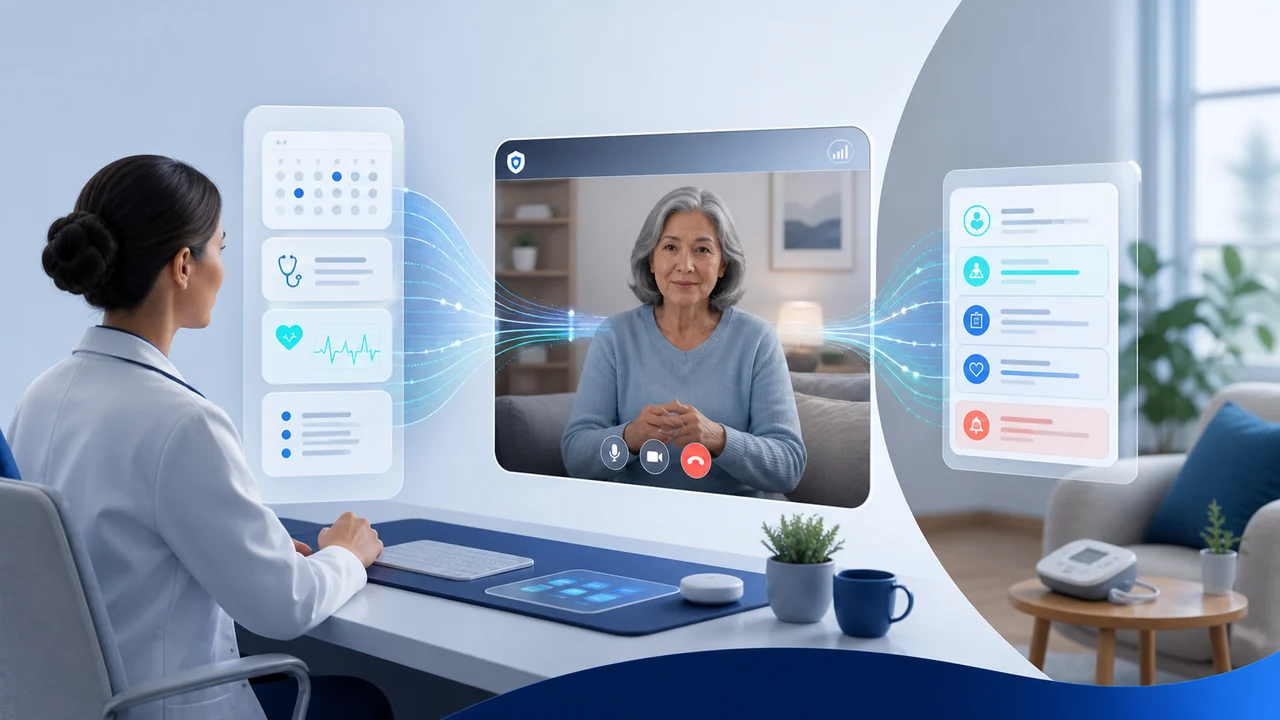
Telehealth with context
Remote conversations begin with relevant longitudinal information ready.
 Preventive health
Telehealth, remote monitoring, patient updates and reviewed escalation remain attached to the longitudinal care journey.
Patients share health updates, home signals and progress while doctors stay connected through contextual virtual care—reducing unnecessary travel across Tier 1, Tier 2 and Tier 3 locations.
Remote conversations begin with relevant longitudinal information ready.
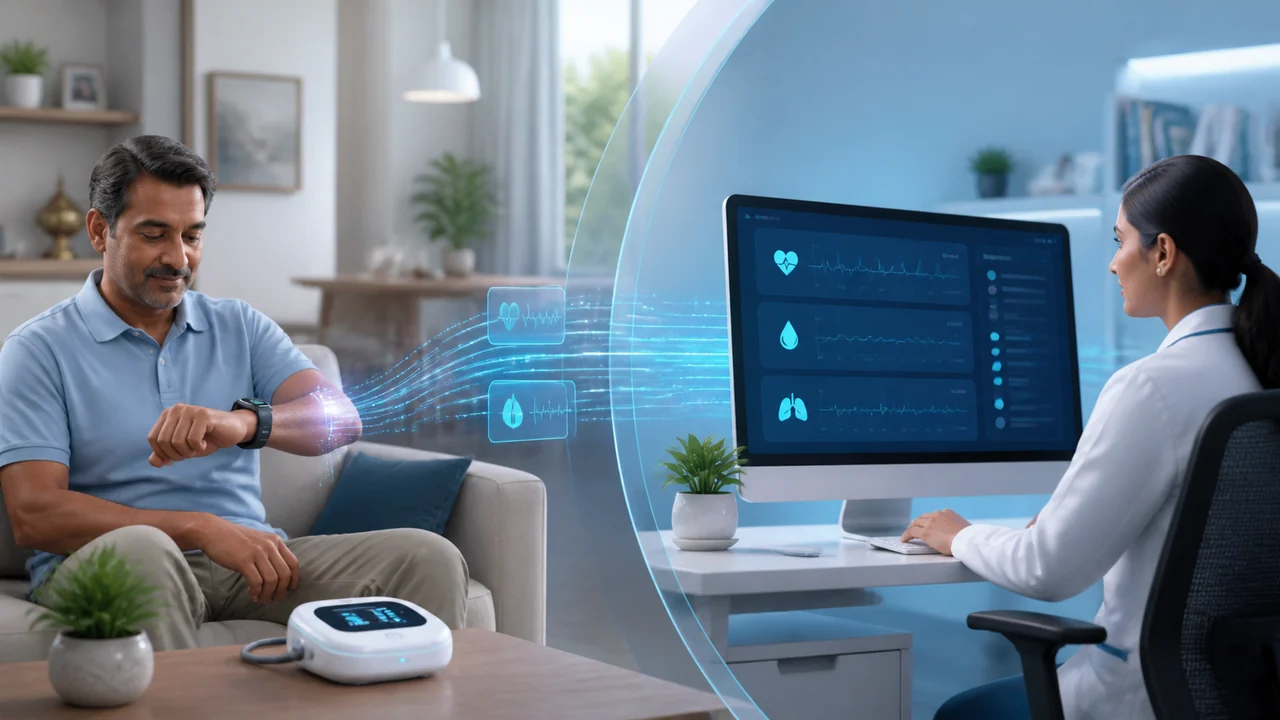
Bring meaningful measurements and patient updates into reviewed follow-up.
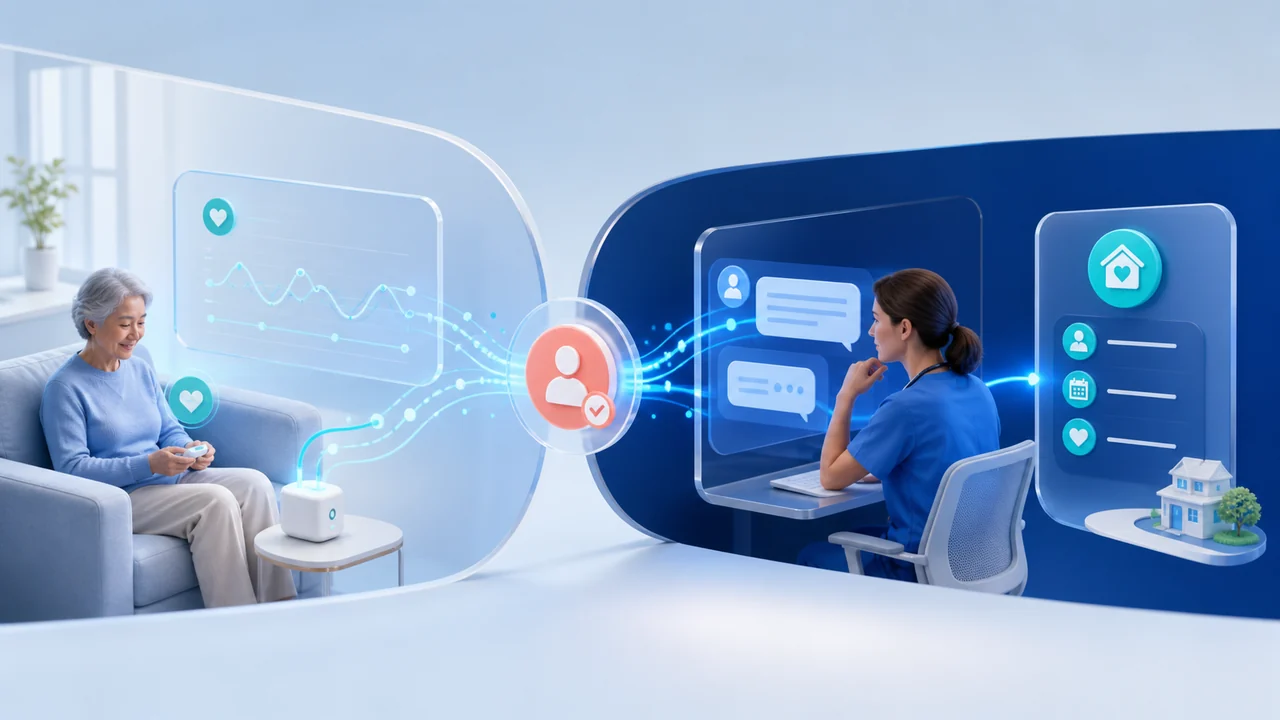
Signals, communication and next actions remain attached to care.
Monitoring and telehealth work better when they are part of the same doctor–patient relationship.
Organise readings against personalised baselines and surface meaningful change for review.
Open a virtual consultation with the longitudinal context that prompted the review.
Remote care should help teams focus—not bury them in undifferentiated data.
Compare readings with the individual patient’s expected range and care plan.
Prioritise sustained or meaningful changes for clinician attention.
Keep actions connected across home, clinic, patient and care team.
The entire remote-care loop remains linked to the longitudinal record and the responsible clinical team.
Telehealth, supported monitoring, patient updates and reviewed follow-up remain linked to the care journey.
No. Configured baselines and review pathways help teams focus on sustained or meaningful change.
No. Urgent symptoms or emergencies require the appropriate local emergency or clinical service.

Shape remote care around your patients, devices and clinical team while monitoring and coordination agents keep meaningful changes moving toward the right human review.